
Steel is the backbone of modern industry, yet it remains vulnerable to the relentless forces of friction, impact, and erosion. An abrasion resistant coating for steel provides a critical solution, transforming standard metal surfaces into durable, long-lasting assets. These specialized coatings are engineered to absorb energy and resist material loss, acting as a sacrificial shield that protects the underlying steel substrate from degradation. By integrating advanced materials like ceramics, carbides, or specialized polymers, these coatings significantly extend the operational life of machinery in mining, manufacturing, and energy sectors.
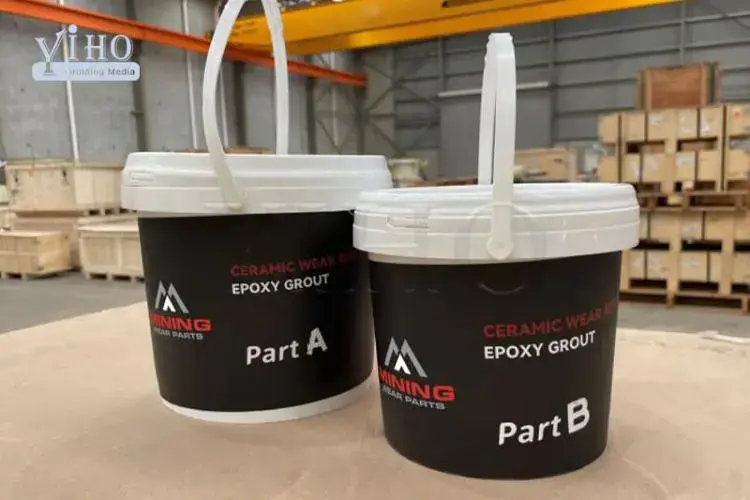
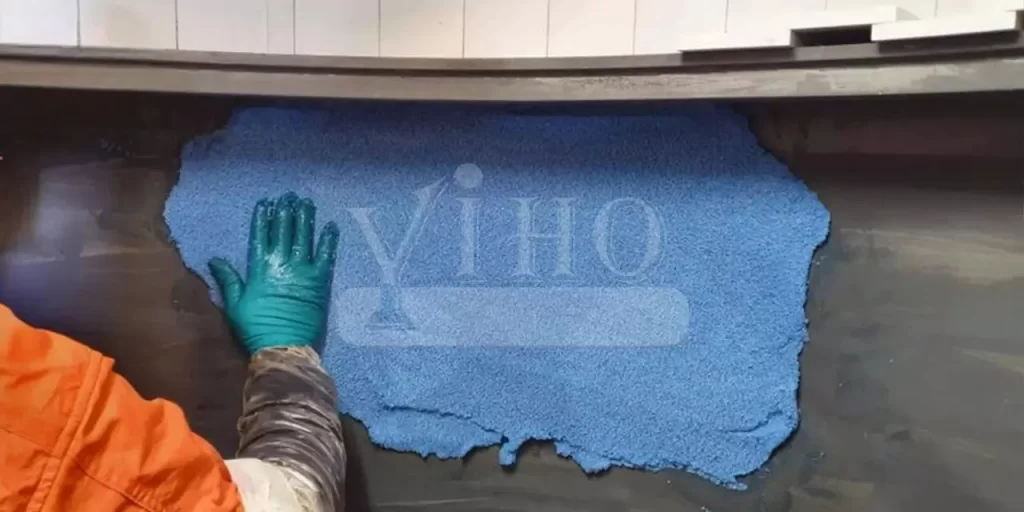
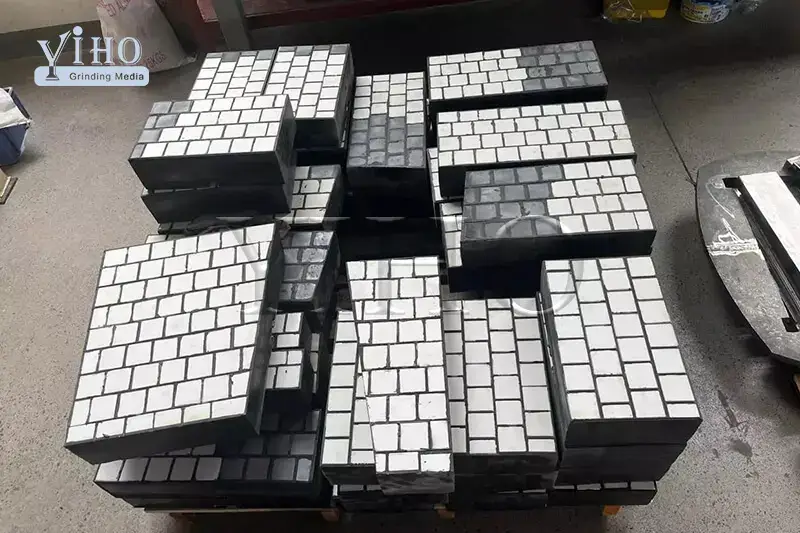
The technology behind an abrasion resistant coating for steel varies based on the application’s severity. For extreme environments, thermal spray technologies such as High-Velocity Oxygen Fuel (HVOF) apply dense layers of tungsten carbide or chrome carbide, creating a metallurgical bond that offers exceptional hardness. Alternatively, for components subject to heavy impact, toughened ceramic-epoxy composites provide a resilient barrier that resists chipping and spalling. These coatings not only prevent wear but often offer secondary benefits, such as corrosion resistance and reduced friction, which further enhances the efficiency of steel components like chutes, hoppers, and pump housings.
Implementing an abrasion resistant coating for steel is a strategic investment in operational continuity. Instead of replacing expensive steel parts frequently, facilities can refurbish and protect existing infrastructure. This approach reduces downtime and maintenance costs while ensuring that critical equipment maintains its structural integrity. Whether applied via spray, trowel, or plasma arc, the right coating system ensures that steel assets can withstand the harshest conditions, delivering reliable performance and superior return on investment.
FAQ
Q1: What is the most durable abrasion resistant coating for steel?
A: Tungsten carbide coatings applied via HVOF (High-Velocity Oxygen Fuel) are among the hardest and most durable, offering superior protection against severe sliding abrasion and high-temperature wear.
Q2: Can abrasion resistant coatings protect against corrosion as well?
A: Yes, many systems, particularly ceramic-filled epoxies and certain thermal spray alloys, provide a dual barrier that protects steel from both mechanical wear and chemical corrosion or oxidation.
Q3: How is the coating applied to steel surfaces?
A: Application methods include thermal spraying (plasma or flame), brush or trowel application for composite pastes, and spray application for liquid polymers, depending on the part geometry and required thickness.