
Al2O3 Ceramic: The Industrial Standard for Wear and Corrosion Resistance
Al2O3 ceramic, commonly known as alumina ceramic or aluminum oxide ceramic, is the most widely used advanced ceramic material in industrial engineering. Due to its exceptional balance of mechanical strength, electrical insulation, and resistance to wear, Al2O3 ceramic serves as the benchmark material for solving severe abrasion problems in heavy industries. Unlike traditional metals, this material maintains structural integrity under extreme friction and chemical attack, making it indispensable for modern manufacturing and material handling.
Material Composition and Purity Grades
The performance of Al2O3 ceramic is directly proportional to its aluminum oxide content. While there are various grades available, industrial wear applications typically utilize high-purity formulations ranging from 92% to 99.5% Al2O3.
Key Technical Specifications:
Hardness: Al2O3 ceramic exhibits a Rockwell hardness of HRA 80–90, which is second only to diamond. This extreme hardness allows it to resist surface deformation and cutting action from abrasive materials.
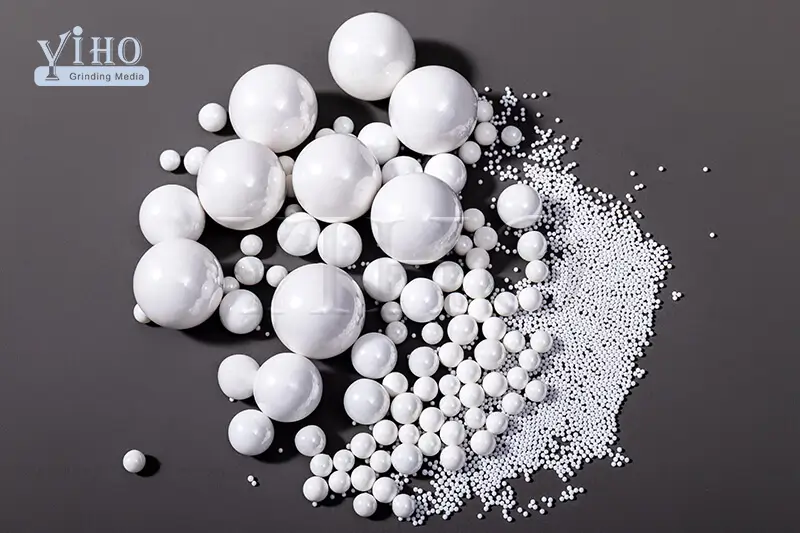
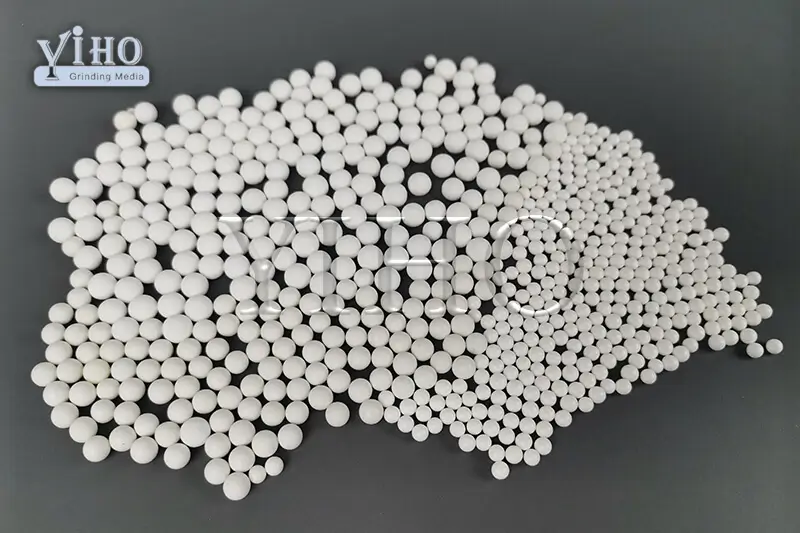
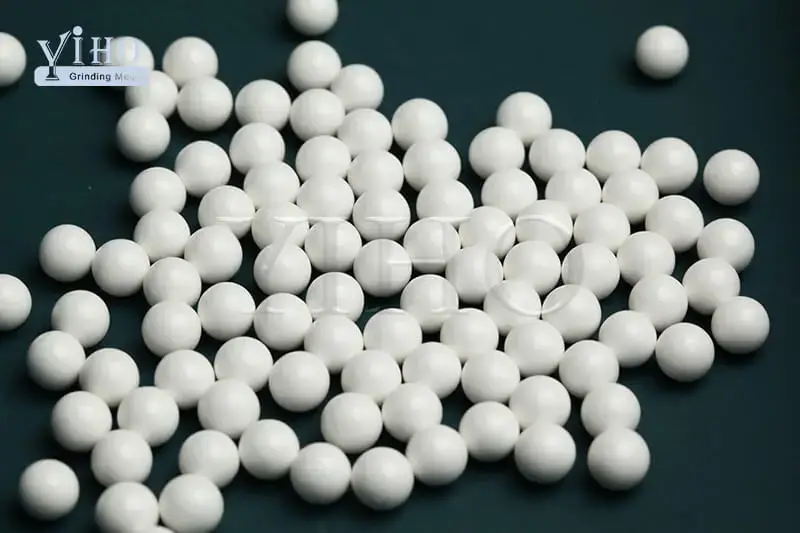
Density: With a density of approximately 3.6–3.9 g/cm3, it is significantly lighter than steel, reducing the dead load on equipment.
Compressive Strength: It can withstand compressive forces exceeding 850 MPa, ensuring it does not shatter under high-impact conditions.
Industrial Applications of Al2O3 Ceramic
The versatility of Al2O3 ceramic allows it to be utilized in various forms, including flat tiles, pipe linings, and precision components.
1. Wear Protection Linings In industries such as mining, cement, and power generation, equipment like chutes, hoppers, and cyclones suffer from rapid erosion. Al2O3 ceramic tiles are bonded to steel substrates to form a protective shield. This composite structure utilizes the toughness of steel and the hardness of ceramic to achieve a service life that is hundreds of times longer than that of standard manganese steel.
2. Electronic Substrates Beyond mechanical wear, Al2O3 ceramic is a premier material in the electronics industry. High-purity alumina (96%–99%) possesses excellent dielectric strength and thermal conductivity. It is used as a substrate for electronic circuits, insulators in high-voltage environments, and heat sinks for power modules.
3. Chemical and Corrosion Resistance Al2O3 ceramic is chemically inert and highly resistant to acids, alkalis, and organic solvents. This makes it ideal for lining tanks, pumps, and valves in the chemical processing industry where metal linings would corrode rapidly.
Manufacturing and Bonding Technologies
To maximize the performance of Al2O3 ceramic, the manufacturing and installation processes are critical.
Sintering Process: High-quality Al2O3 ceramic is produced through a high-temperature sintering process. This ensures a dense microstructure with minimal porosity, which is essential for preventing crack propagation.
Bonding Methods: For industrial linings, Al2O3 tiles are typically adhered using high-strength, wear-resistant structural adhesives. These glues are formulated to withstand thermal expansion and mechanical vibration, ensuring the ceramic remains firmly bonded to the metal shell.
The Economic Advantage of Al2O3 Solutions
Switching from metallic alloys to Al2O3 ceramic solutions offers a significant reduction in the total cost of ownership. Although the initial material cost may be higher, the extended service life reduces the frequency of plant shutdowns for maintenance. Additionally, the smooth surface of the ceramic lining reduces friction in material flow systems, potentially lowering energy consumption in conveyor systems.
FAQ
Q1: What does “Al2O3 ceramic” refer to? A: Al2O3 ceramic is a synthetic material composed primarily of aluminum oxide (Al2O3). It is engineered for high hardness, wear resistance, and electrical insulation.
Q2: What is the hardness of Al2O3 ceramic? A: The hardness of industrial-grade Al2O3 ceramic typically ranges from HRA 80 to HRA 90 on the Rockwell scale, depending on the purity and sintering process.
Q3: Can Al2O3 ceramic be used in high-temperature environments? A: Yes. Al2O3 ceramic can withstand continuous operating temperatures exceeding 1600°C in inert atmospheres. However, the bonding adhesive used for installation usually limits the maximum operating temperature in industrial linings.
Q4: How does Al2O3 ceramic compare to rubber linings? A: While rubber linings are effective for impact absorption, Al2O3 ceramic offers superior resistance to cutting and sliding abrasion. Ceramic is preferred when the abrasive material is sharp or contains hard particles.