
Introduction: The Superiority of Alumina Ceramic Tiles
Alumina ceramic tiles (Al₂O₃) are engineered ceramics renowned for their unmatched combination of hardness, thermal resistance, and chemical inertness. With applications spanning metallurgy, aerospace, and energy sectors, these tiles address critical challenges like extreme temperatures, wear, and corrosion.
1. Key Applications of Alumina Ceramic Tiles
A. Metallurgical Industry
- Use Case: Lining induction furnaces, ladles, and tundishes in steel production.
- Benefits:
- Reduces heat loss by 30% compared to traditional refractories (ASTM C768 testing).
- Mitigates molten metal splash erosion.
B. Aerospace & Defense
- Role: Heat shields and ablative components in spacecraft.
- Key Metric: Withstands re-entry temperatures exceeding 1,600°C (EN ISO 10113 standard).
C. Energy Sector
- Application: Insulation in waste-to-energy plants and biomass boilers.
- Durability: Resists chemical corrosion from ash and slag.
2. Technical Advantages
A. Lightweight & Flexible
- Density: 0.1–0.3 g/cm³ (vs. traditional refractories at 2–3 g/cm³).
- Easy installation in complex geometries (e.g., curved furnace walls).
B. Fire Resistance
- ASTM E136 Compliance: Non-combustible up to 1,600°C.
- Smoke Suppression: Low toxic gas emission during thermal decomposition.
C. Customization Options
- Coatings: Boron nitride or silicon carbide additives for enhanced abrasion resistance.
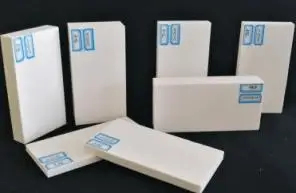
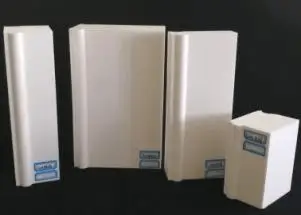
- Forms: Blankets, modules, or paper-like sheets for tailored solutions.
3. Industry Standards & Testing
A. EN ISO 2245
- Measures tile shrinkage after prolonged heat exposure.
- Certified products ensure <2% dimensional change over 1,000 hours at 1,250°C.
B. OSHA Compliance
- Fibers <3 μm in diameter meet respiratory safety regulations (NIOSH 65 CG).
4. Environmental Innovations
A. Recycled Content
- Up to 50% post-industrial waste incorporation (e.g., spent catalysts).
- Reduces carbon footprint by 40% vs. virgin materials.
B. Low-Toxicity Binders
- Phosphate-free formulations comply with EU REACH standards.
Conclusion
Alumina ceramic tiles are evolving from passive insulators to smart, sustainable solutions. By embracing hybrid materials and digital design tools, industries can achieve 20–30% energy savings and extend equipment lifespans by 40%. For custom solutions, contact our experts for 3D thermal modeling and on-site installation support.
FAQ Section:
Q1: What makes alumina ceramic tiles ideal for high-temperature environments?
A: Alumina tiles contain ≥92% Al₂O₃, providing exceptional thermal stability (up to 1,700°C) and resistance to thermal shock, making them perfect for furnaces, kilns, and industrial ovens.
Q2: Can alumina tiles withstand corrosive chemicals?
A: Yes! Their dense microstructure resists acids, alkalis, and molten metals (e.g., aluminum, steel), ensuring longevity in harsh environments like chemical plants or foundries.
Q3: Are alumina tiles customizable for specific projects?
A: Absolutely! They can be tailored in size, shape, and surface finish (glazed or unglazed) to meet unique industrial requirements.
Q4: Do alumina tiles require special installation?
A: While they’re lightweight and easy to handle, professional installation is recommended to avoid thermal stress. Use high-temperature adhesives for optimal bonding.