
Ceramic aluminum oxide grinding wheels represent the pinnacle of bonded abrasive technology for precision machining and high-stock removal. Unlike traditional fused aluminum oxide, these wheels utilize engineered ceramic aluminum oxide grains that are chemically bonded to form a “microcrystalline” structure. This advanced composition allows the grains to fracture at a microscopic level during grinding, constantly exposing fresh, sharp edges. As a result, the wheel maintains its aggressiveness and cutting efficiency far longer than conventional abrasives, significantly reducing cycle times and increasing throughput.
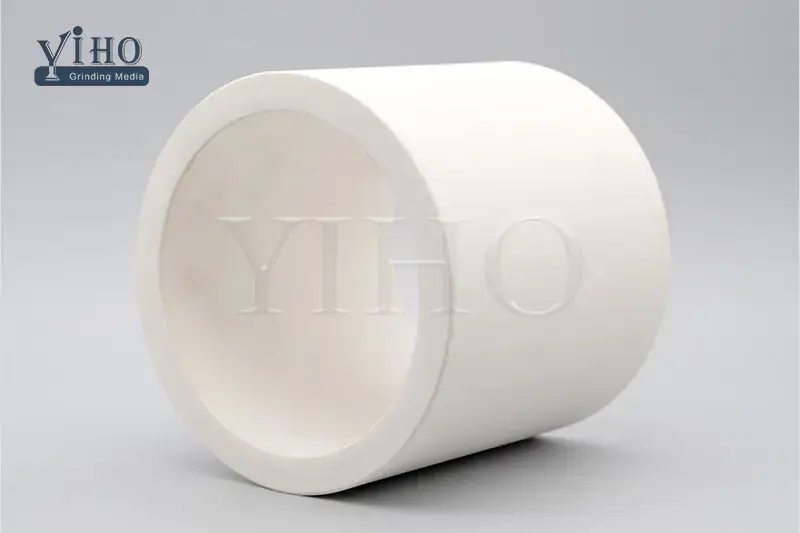
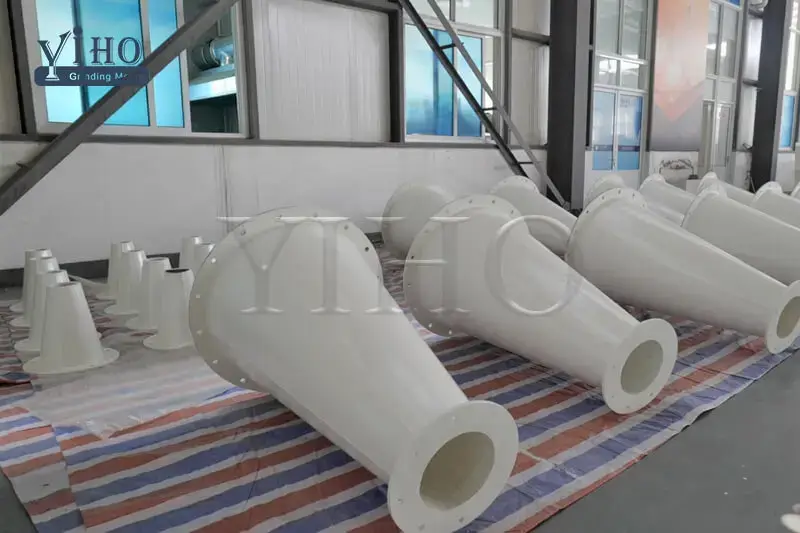
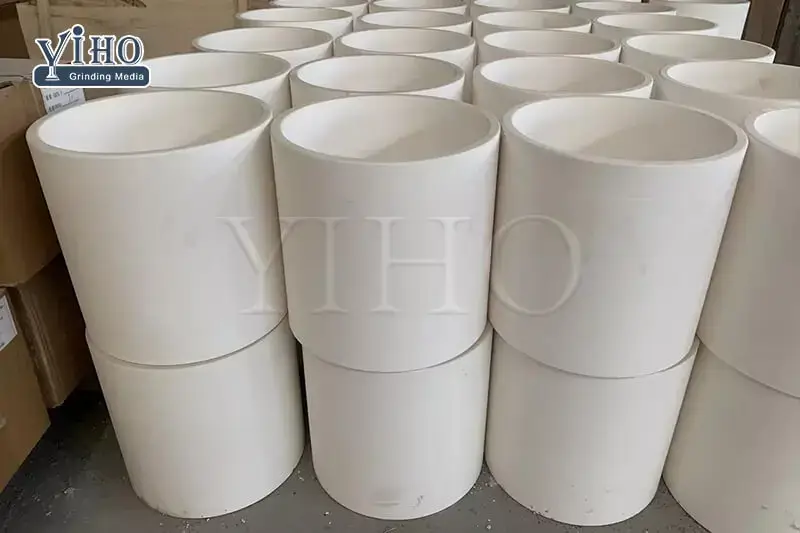
Manufactured using a vitrified bond system, ceramic aluminum oxide grinding wheels offer superior form retention and thermal stability. The vitrified bond ensures that the wheel holds its shape under heavy pressure and high temperatures, which is critical for maintaining tight tolerances in precision grinding operations. This makes them ideal for use in the aerospace, automotive, and tool-and-die industries, where the grinding of high-strength alloys—such as stainless steel, tool steel, and nickel-based superalloys—is commonplace.
By utilizing ceramic aluminum oxide grinding wheels, manufacturers achieve a superior surface finish while minimizing the risk of thermal damage to the workpiece. The high friability of the ceramic grains ensures a cooler cut, reducing the likelihood of burning or cracking the material being ground. This combination of speed, precision, and durability makes them the preferred choice for modern manufacturing environments focused on maximizing efficiency and minimizing downtime.
FAQ
Q1: What makes ceramic aluminum oxide different from regular aluminum oxide? A: Ceramic aluminum oxide features a microcrystalline structure that fractures to expose new sharp edges, whereas regular aluminum oxide tends to dull and glaze over, requiring frequent dressing.
Q2: What materials are best suited for these wheels? A: They are ideal for grinding high-tensile strength materials such as stainless steel, tool steel, and exotic alloys used in aerospace and medical device manufacturing.
Q3: How do I maintain the wheel’s performance? A: While ceramic wheels last longer, proper dressing techniques and coolant management are still essential to maintain the optimal cutting action and prevent loading.