
Core Content: Ceramic Lined Pipe、Engineering Wear Resistance、Alumina/Silicon Carbide Ceramic
Introduction of Ceramic Lined Pipe
A ceramic lined pipe is a type of pipeline that has an inner lining made of ceramic material to provide superior resistance to wear, abrasion, and corrosion. The ceramic lining is typically made of high-grade alumina ceramics, which are known for their hardness, strength, and durability.
Ceramic lined pipes are commonly used in industrial applications where the pipeline is exposed to harsh conditions, such as in mining, power generation, oil and gas, and chemical processing. The ceramic lining provides exceptional wear resistance, protecting the underlying steel or cast iron pipe from premature failure due to abrasion or corrosion.
In addition to their excellent wear properties, ceramic lined pipes may also provide benefits such as improved flow rates, reduced downtime, and lower maintenance costs. They may also be used in applications where hygiene is important, as the ceramic lining is non-toxic and does not react with most chemicals.
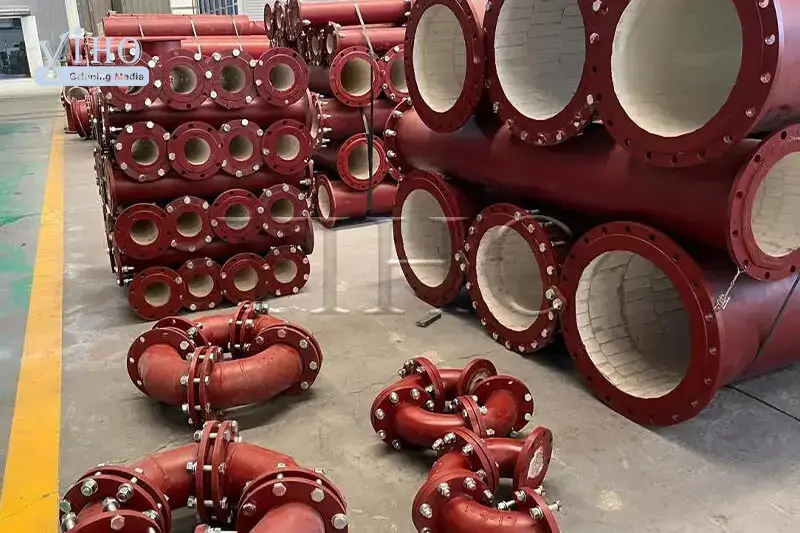
Ceramic lined pipes may be manufactured in various sizes and shapes, including elbows, tees, and reducers, to meet the specific requirements of each application. The ceramic lining may be adhered to the inner surface of the pipe using specialized adhesives, and may be installed using conventional welding or mechanical joining techniques.
While ceramic lined pipes can offer significant benefits in terms of wear resistance and longevity, they are typically more expensive than traditional steel pipes due to the cost of the ceramic lining and specialized manufacturing processes.
YIHO is able to advanced-ceramics-line different bores and lengths of pipework with the application of either alumina or silicon carbide. We are also able to design and build pipework.
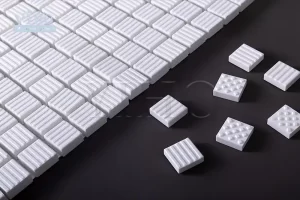
Advanced ceramics, with hardness ratings of 2000 Vickers, are amongst the hardest materials available. Utilising diamond-ground advanced ceramic lining systems, we are able to expertly line pipework to provide the highest level of abrasion resistance and increase the lifespan of the pipe, therefore reducing running and maintenance costs.
Usage of Ceramic Lined pipe
The ceramic lined pipe transport has been widely used in the industries of electric power, metallurgy, coal, petroleum, chemical engineering, building materials, mechanism and so on.

Frequently Asked Questions: Ceramic Lined Pipework Solutions
Q1: What is the main difference between alumina and silicon carbide ceramic linings?
A: The primary difference lies in hardness and application severity. Alumina (Al2O3) offers excellent wear resistance (up to 90% Al2O3) and is cost-effective for most mining slurry and ash handling applications. Silicon Carbide (SiC) provides superior hardness (approaching diamond levels) and thermal shock resistance, making it the ideal choice for extreme abrasion, high-temperature environments, or highly corrosive chemical processes where alumina might degrade.
Q2: How much longer does a ceramic lined pipe last compared to steel pipes?
A: Depending on the material being transported, ceramic lined pipes can last 10 to 20 times longer than traditional carbon steel or hardened steel pipes. In highly abrasive applications like iron ore tailings or coal ash, the exceptional hardness of our diamond-ground ceramic lining significantly reduces downtime and replacement costs.
Q3: Can Yiho Ceramic customize pipe fittings and elbows?
A: Yes, we provide full engineering wear resistance solutions. Beyond straight pipes, we manufacture custom ceramic-lined elbows, tees, reducers, and complex fittings tailored to your specific pipeline layout. Our tiles are precision-cut and bonded to ensure a smooth internal surface with no gaps, preventing material buildup and turbulence.
Q4: Are these ceramic linings suitable for high-temperature applications?
A: Absolutely. Both alumina and silicon carbide ceramics possess high thermal stability. Alumina linings can typically withstand continuous operating temperatures up to 1600°C, while silicon carbide offers even better thermal conductivity and shock resistance, making them perfect for hot gas ducts, cyclones, and high-temperature furnace exhaust systems.
Q5: How is the ceramic tile bonded to the steel pipe shell?
A: We utilize advanced bonding techniques including high-strength epoxy adhesives for temperatures up to 150°C and high-temperature inorganic adhesives or mechanical locking systems for hotter environments. This ensures the ceramic lining remains securely attached even under high impact and vibration conditions common in mining and power plants.