
Silicon carbide (SiC) has emerged as a cornerstone material in 2026, revolutionizing sectors from electric vehicle (EV) manufacturing to heavy industrial processing. As a compound semiconductor composed of silicon and carbon, SiC offers a unique combination of thermal conductivity, chemical stability, and mechanical hardness that traditional silicon cannot match. Its status as a wide bandgap material allows electronic devices to operate at higher voltages, frequencies, and temperatures, making it indispensable for next-generation power grids and EV inverters.
In the realm of silicon carbide semiconductors, the shift from 150mm to 200mm wafers has significantly reduced production costs while enhancing efficiency. SiC-based MOSFETs and diodes enable power systems to lose less energy as heat, extending the range of electric vehicles by up to 5% and reducing charging times. Major automotive manufacturers now prioritize SiC modules for their traction inverters due to their ability to withstand junction temperatures exceeding 200°C without performance degradation. This thermal resilience also simplifies cooling system designs, leading to lighter and more compact powertrains.
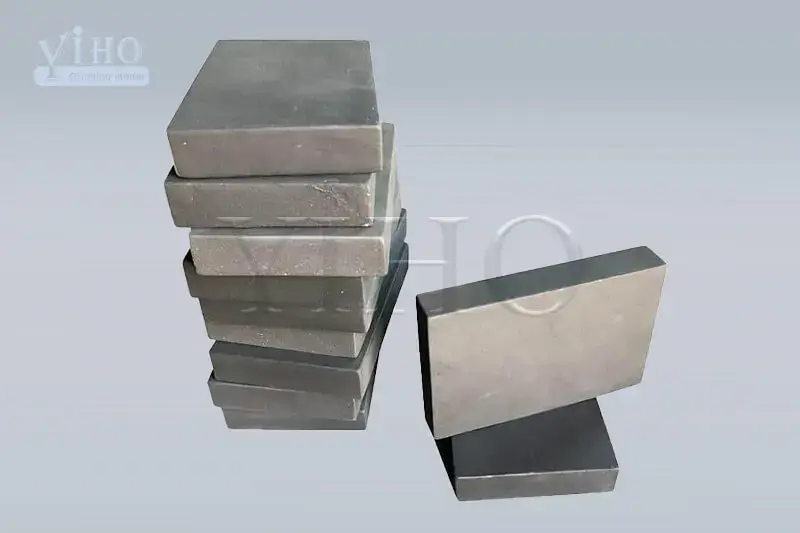
Beyond electronics, industrial abrasives and refractory applications remain a massive market for silicon carbide. With a Mohs hardness of 9.5, SiC is second only to diamond, making it the premier choice for grinding wheels, sandblasting media, and cutting tools used in machining hardened steels and composites. In metallurgy, SiC bricks and shapes line blast furnaces and kilns, providing exceptional resistance to thermal shock and corrosion from molten metals and slags. Its high thermal conductivity ensures uniform heat distribution, crucial for maintaining process stability in extreme environments.
The versatility of silicon carbide extends to emerging fields like quantum computing and high-power RF devices, where its electron mobility and breakdown field strength are unmatched. As global demand for energy-efficient technologies surges, the production capacity for high-purity SiC crystals continues to expand. Whether utilized as a rugged abrasive grain or a sophisticated semiconductor substrate, silicon carbide stands as the definitive material solution for the high-performance demands of the modern industrial landscape.
FAQ
Q1: Why is silicon carbide preferred over silicon in power electronics?
A: Silicon carbide has a wider bandgap, higher thermal conductivity, and higher breakdown voltage than silicon, allowing devices to operate at higher temperatures, voltages, and switching frequencies with lower energy losses.
Q2: What are the primary industrial uses of silicon carbide outside of electronics?
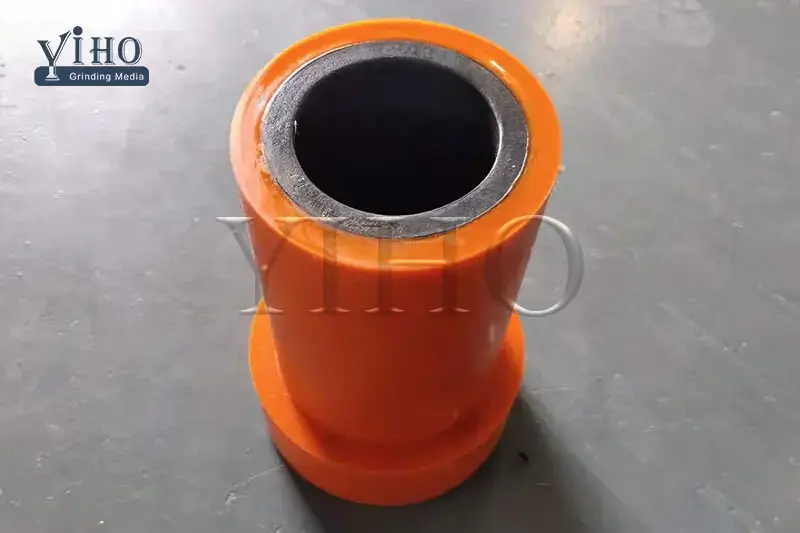
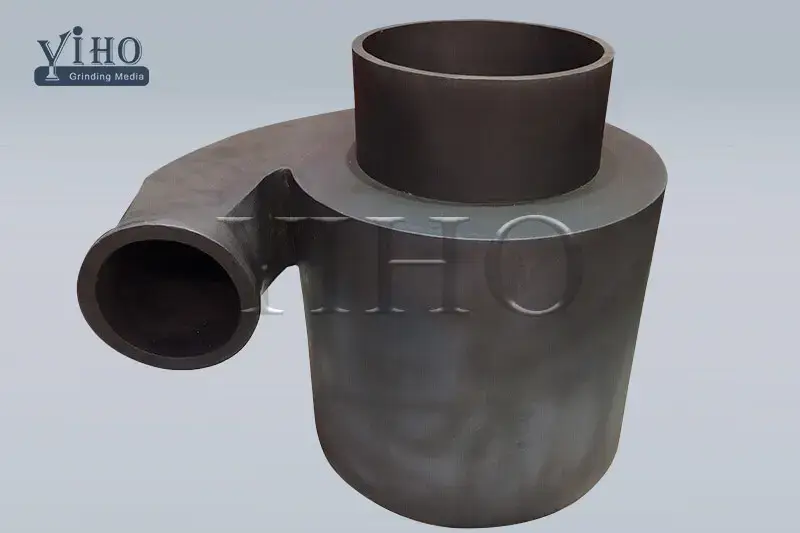
A: Outside electronics, SiC is widely used as an abrasive for grinding and cutting, as a refractory lining for high-temperature furnaces, and in wear-resistant components for pumps and valves.
Q3: How does silicon carbide improve electric vehicle performance?
A: SiC inverters reduce power loss during energy conversion, which increases driving range, enables faster charging, and allows for smaller, lighter cooling systems compared to traditional silicon-based systems.
Q4: Is silicon carbide resistant to chemical corrosion?
A: Yes, silicon carbide exhibits excellent chemical inertness, resisting attack from acids, alkalis, and molten salts, which makes it ideal for harsh chemical processing environments.