
Introduction: The Role of Steel Ball Mills in Modern Industry
A steel ball mill is a cylindrical grinding machine critical for reducing hard materials like ores, minerals, and ceramics into fine powders. Widely used in mining, metallurgy, and chemical industries, it combines impact and attrition forces to achieve particle sizes as fine as 20–75 microns . This article explores its design, operational principles, and advancements driving efficiency in 2026.
Core Components & Working Principle
1. Structural Design
| Component | Function | Material |
|---|---|---|
| Cylindrical Shell | Rotating drum lined with wear-resistant plates (manganese steel/rubber) | High-chrome steel or rubber |
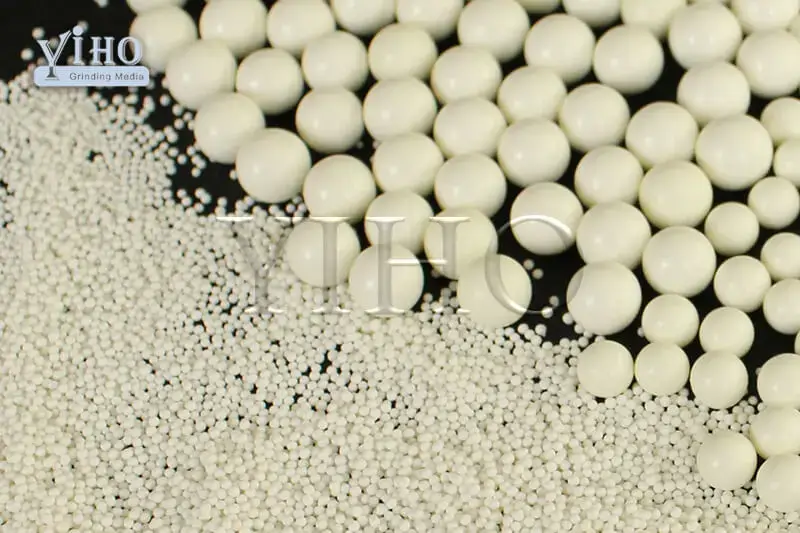
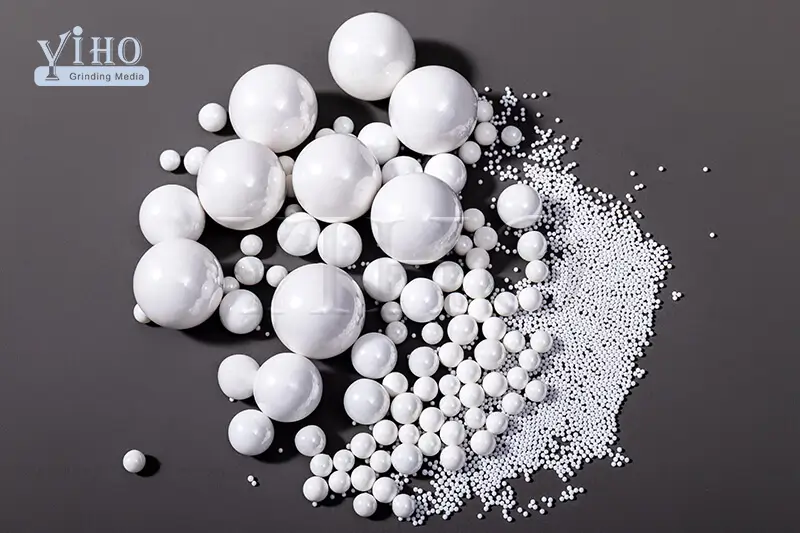
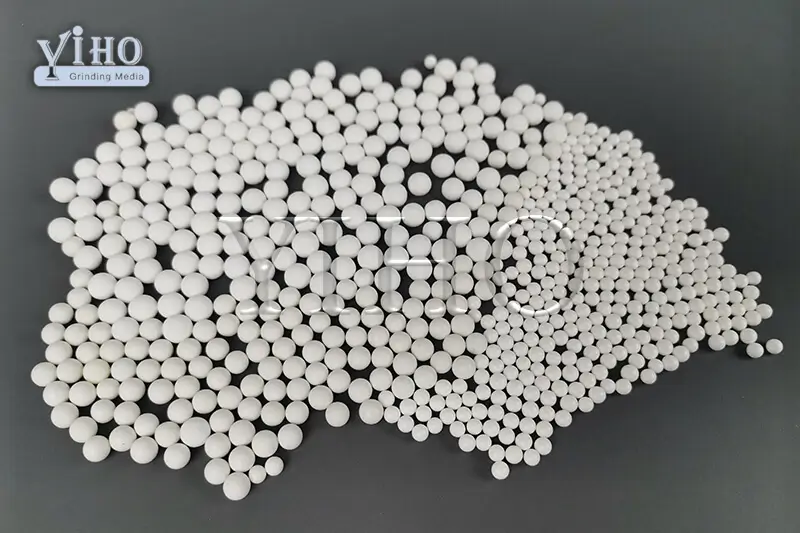
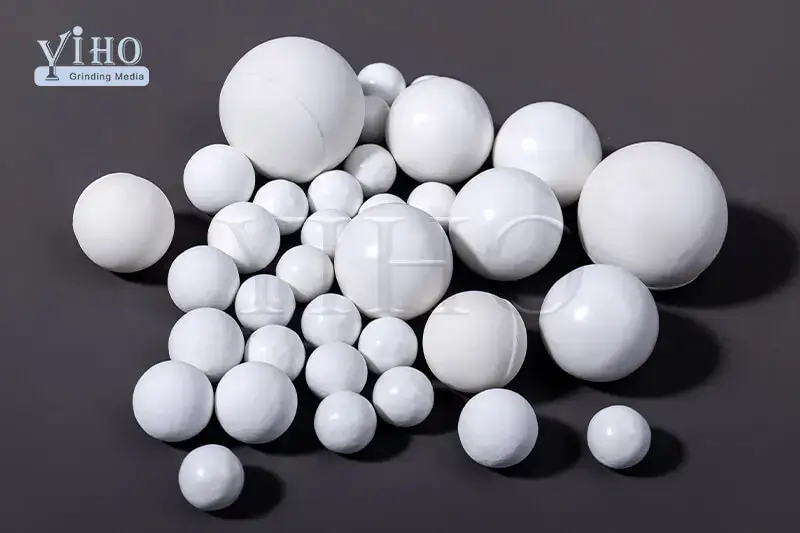
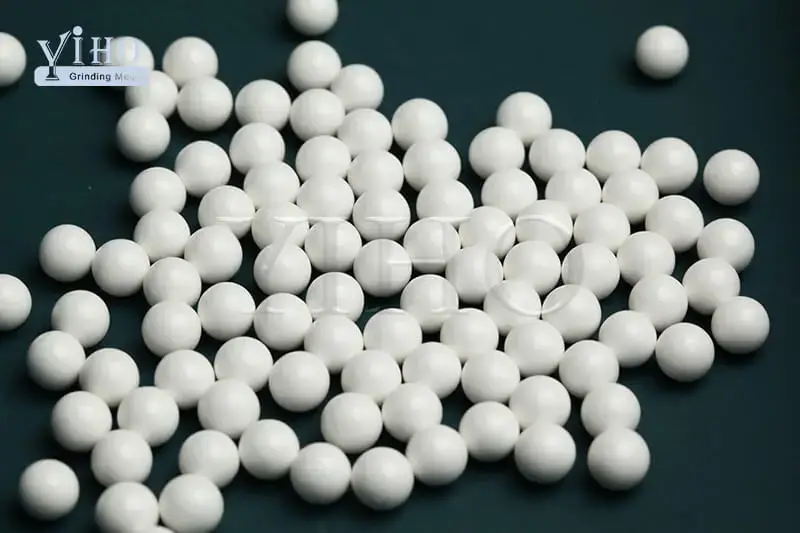
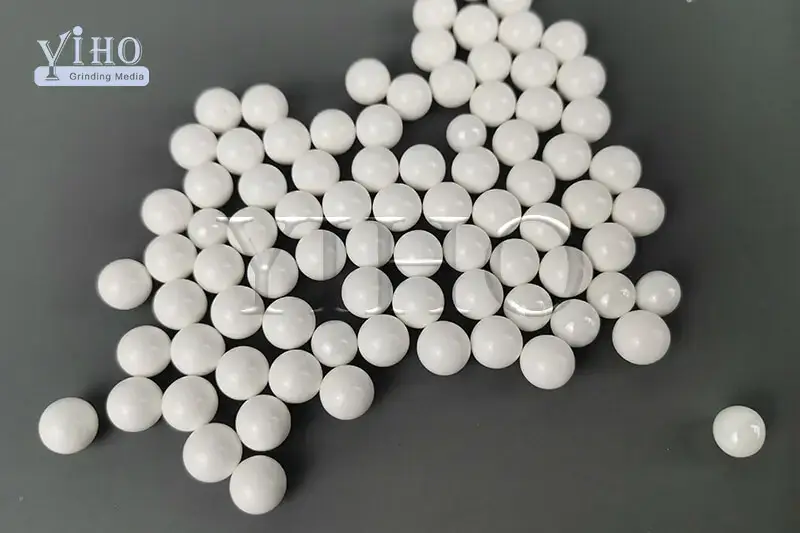
| Grinding Media | Steel balls (30–150mm) for impact and abrasion | Carbon steel, stainless steel |
| Drive System | Motor + gearbox to rotate the shell at 60–85% of critical speed | Girth gear or gearless motor |
| Liners | Protect the shell and optimize media lift | Replaceable high-chrome plates |
2. Operational Mechanism
- Impact Grinding: Media cascade down, crushing particles via kinetic energy .
- Attrition Grinding: Media rub against each other and the shell, refining particle size .
- Critical Speed: Optimal rotation (65–88% of critical speed) balances media lift and energy efficiency .
Types of Steel Ball Mills
1. Overflow vs. Grate Discharge
| Type | Discharge Mechanism | Best For |
|---|---|---|
| Overflow Mill | Material flows over a weir | Fine grinding (e.g., mineral liberation) |
| Grate Mill | Discharge via perforated diaphragm | Coarse grinding (primary stages) |
2. Dry vs. Wet Grinding
- Wet Mills: Use slurry (60–75% solids) to reduce dust and enhance efficiency .
- Dry Mills: Ideal for moisture-sensitive materials like cement clinker .
Industrial Applications
1. Mining & Mineral Processing
- Ore Grinding: Reduces iron, copper, and gold ores to liberation sizes for flotation .
- Coal Pulverization: Prepares coal for combustion in thermal power plants .
2. Metallurgy
- Alloy Production: Homogenizes metal powders (e.g., aluminum, titanium) for sintering .
3. Chemicals & Ceramics
- Pigment Dispersion: Achieves uniform particle distribution in paints and inks .
- Ceramic Raw Materials: Grinds kaolin and feldspar to micron-level fineness .
Efficiency Optimization Strategies
1. Media Selection
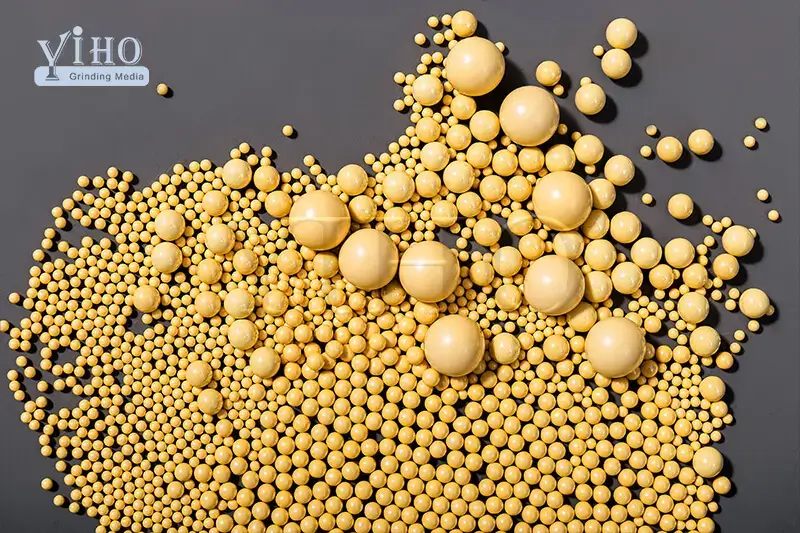
- Size Grading: Use larger balls (50–100mm) for coarse grinding and smaller (20–50mm) for fine finishes .
- Density: High-density media (e.g., tungsten carbide) reduce wear and energy use .
2. Operational Adjustments
- Slurry Density: Maintain 60–75% solids for wet grinding to minimize over-grinding .
- Liner Maintenance: Replace manganese steel liners every 6–24 months to prevent downtime .
3. Energy-Saving Innovations
- Gearless Drives: Reduce mechanical losses by 20–30% in large-scale mills .
- Magnetic Liners: Extend lifespan by 3–5x compared to traditional materials .
Case Study: Copper Concentrator in Chile
Challenge: A 24-foot ball mill faced 15% downtime due to frequent liner failures.
Solution:
- Upgraded to high-chrome steel liners.
- Implemented IoT sensors for real-time vibration monitoring. Results:
- Throughput increased by 12%.
- Media consumption reduced by 15% .
Future Trends
- Digital Twins: Predictive analytics optimize mill performance and maintenance schedules.
- Hybrid Systems: Combine ball mills with vertical roller mills for 20% energy savings .
- Sustainable Practices: Recyclable media and closed-loop water systems reduce environmental impact.